Understanding the Role of a Loader in Construction and Industrial Projects
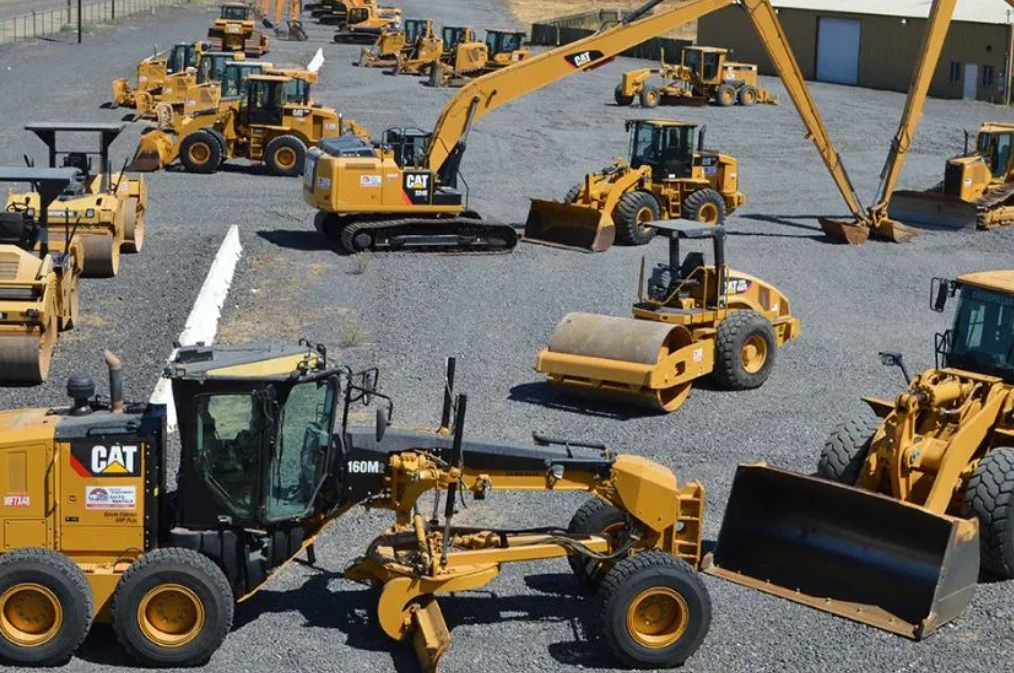
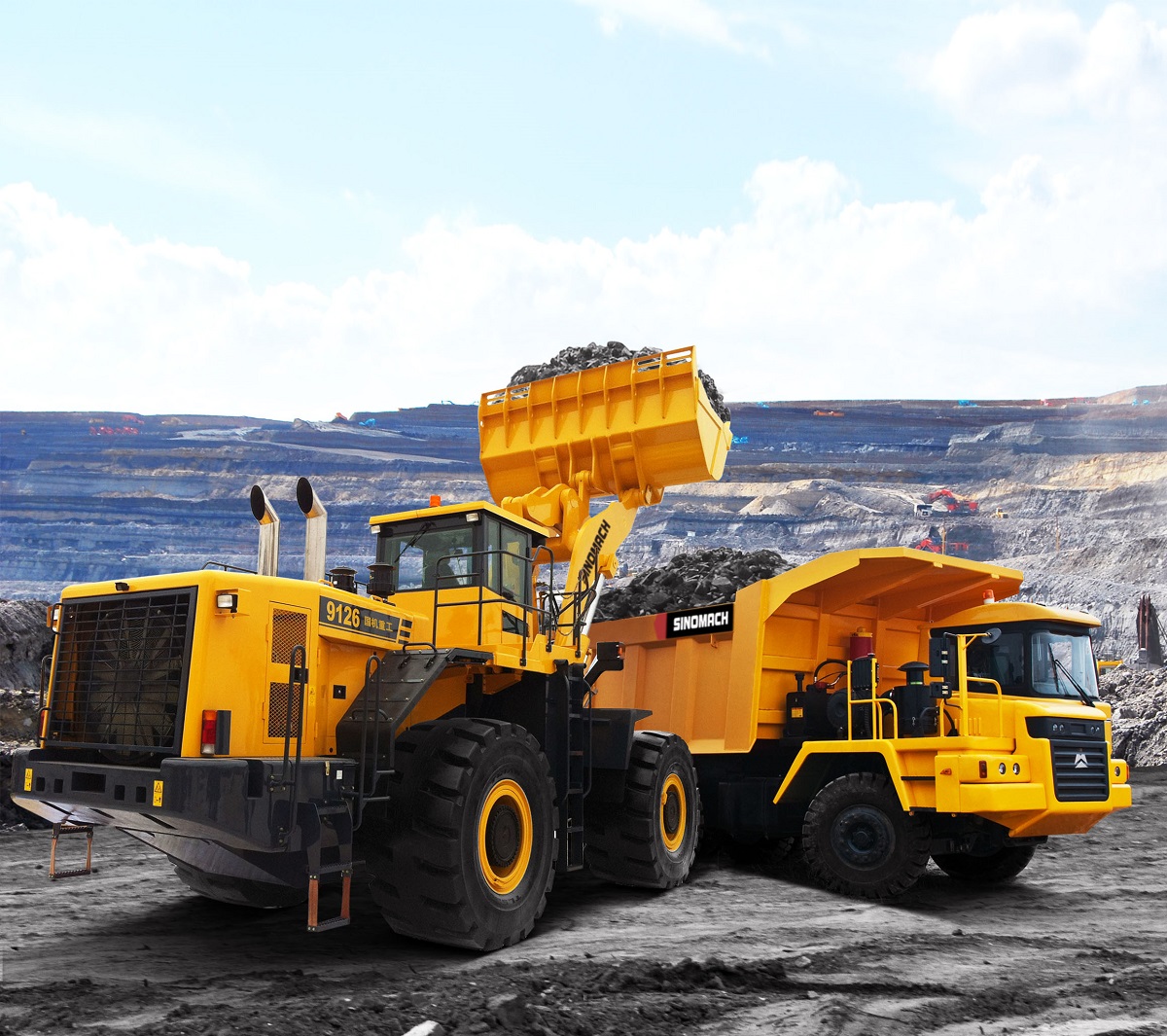
Loaders are essential heavy machinery used in construction, agriculture, logistics, and other industrial projects. They are designed to move large amounts of material quickly and efficiently, making work easier and faster. There are various types of loaders, including wheel loaders, skid steer loaders, backhoe loaders, and compact loaders, each designed for specific tasks. Wheel loaders are ideal for heavy-duty earthmoving, while skid steer loaders are excellent for smaller, tight-space operations. Backhoe loaders offer versatility with digging and loading capabilities in one machine. Loaders improve project efficiency by reducing manual labor, minimizing downtime, and enhancing material handling processes. Understanding the type of loader suitable for a project ensures that operations are both cost-effective and productive.
Why Choosing the Right Loader Supplier Matters
Partnering with a reliable loader supplier Philippines has a significant impact on the success of any construction or industrial project. Suppliers provide not only the equipment but also essential services like after-sales support, maintenance, and spare parts availability. A dependable supplier ensures that machinery is delivered on time and meets safety and operational standards set in the Philippines. Projects can face delays if suppliers fail to provide timely assistance or quality equipment. A good supplier also guides businesses in choosing loaders that match project requirements and budget. Ensuring compliance with safety regulations protects operators and reduces liability risks. Reliable suppliers become long-term partners who contribute to consistent project performance.
Top Qualities to Look for in a Loader Supplier in the Philippines
When selecting a loader supplier Philippines, several factors determine the quality of service and equipment. Key qualities include:
- Product Variety and Availability – Suppliers should offer a range of loaders suitable for different project types.
- Technical Expertise and Consultation – Experienced suppliers provide guidance on the best equipment for specific needs.
- Flexible Financing and Leasing Options – Options like installment plans or leasing help businesses manage budgets effectively.
- Warranty, Service, and Training Programs – Ensures long-term equipment reliability and operator safety.
A supplier that embodies these qualities allows businesses to focus on their operations without worrying about equipment reliability. Technical support and training also enhance workforce productivity, as operators can handle machinery more efficiently. The right supplier can even help companies anticipate future equipment needs based on project trends.
How to Evaluate Loader Suppliers Before Making a Purchase
Evaluating potential suppliers before committing to a purchase helps prevent future challenges. Begin by checking the reputation and customer feedback of the supplier, including reviews from other businesses in the Philippines. Assess the quality and durability of the products offered by visiting showrooms or requesting demonstrations. Compare pricing and value-added services to ensure you are getting a fair deal. Consider how responsive the supplier is to inquiries and whether they provide after-sales support. Reviewing maintenance packages and spare parts availability is essential to prevent unexpected downtime. Visiting operational sites where their loaders are in use can provide a realistic picture of performance and reliability. Choosing a supplier with transparency and proven expertise ensures smooth long-term operations.
Common Challenges Faced by Businesses Without Reliable Loader Suppliers
Businesses without a dependable loader supplier Philippines often encounter several operational challenges. Equipment downtime can delay project timelines, causing financial losses. Maintenance costs may increase if the machinery is not supported by qualified service providers. Poor-quality loaders can break down frequently, disrupting workflow and causing safety hazards. Lack of proper training and guidance from suppliers may result in inefficient operations or accidents. Companies may also struggle to source spare parts promptly, further extending delays. Inconsistent supplier communication can create confusion regarding equipment orders and services. Overall, unreliable suppliers negatively affect productivity, safety, and operational costs.
Benefits of Partnering with a Trusted Loader Supplier
Working with a reputable loader supplier Philippines brings significant advantages to businesses in construction and industrial sectors. Reliable suppliers ensure timely delivery and availability of the right loaders for any project. High-quality equipment reduces maintenance costs and minimizes downtime, keeping projects on schedule. Access to technical support and operator training improves efficiency and safety standards. Trusted suppliers also provide flexible financing, helping businesses manage capital expenditure effectively. Long-term partnerships with suppliers offer insights into the latest machinery trends and technological advancements. Businesses can anticipate equipment needs and scale operations without disruptions. Overall, having a dependable supplier streamlines operations and enhances project outcomes.
Emerging Trends in Loaders and Heavy Equipment in the Philippines
The Philippines is seeing new trends in loader technology and industrial equipment. Eco-friendly and fuel-efficient loaders are gaining popularity as companies aim to reduce operational costs and environmental impact. Smart loaders with automation and advanced monitoring systems are improving accuracy and efficiency in material handling. Rental and leasing solutions provide flexibility for businesses that need equipment temporarily or want to avoid large upfront investments. Technological integration allows for real-time equipment tracking and maintenance alerts, reducing unexpected downtime. Companies are increasingly focusing on operator safety with enhanced training programs and ergonomically designed machinery. These trends indicate that the loader industry in the Philippines is evolving to meet modern project demands efficiently.
FAQ Section
What is the average lifespan of a loader in the Philippines?
The lifespan of a loader depends on its type, usage, and maintenance. Generally, a well-maintained wheel loader can last 8–12 years, while compact and skid steer loaders may last 5–10 years with regular servicing.
How often should loaders undergo maintenance?
Loaders should be inspected and serviced according to the manufacturer’s recommendations, usually after every 250–500 hours of operation. Regular maintenance includes checking hydraulics, engine, tires, and electrical systems.
Are there financing options available for purchasing loaders?
Yes, many loader suppliers Philippines offer installment plans, leasing options, and flexible financing to accommodate different budgets and project requirements.
Can suppliers provide training for loader operators?
Reputable suppliers often provide operator training programs to ensure safe and efficient machinery handling, which helps prevent accidents and improves productivity.
How do I choose the best loader type for my project needs?
Consider the type of material to be moved, project size, operational environment, and space constraints. Consulting a knowledgeable supplier Philippines can help select the most suitable loader for your specific project.
Takeaway
Choosing the right loader supplier Philippines is a crucial decision for businesses aiming to enhance operational efficiency and safety. A reliable supplier not only provides high-quality equipment but also ensures continuous support, training, and flexibility. With the right partner, companies can maximize productivity, reduce costs, and stay ahead in competitive industrial and construction markets. Emerging trends like fuel-efficient loaders, automation, and leasing options make it easier than ever to optimize operations. Investing time in selecting a reputable supplier ultimately ensures smoother projects, safer operations, and long-term success in the Philippines.